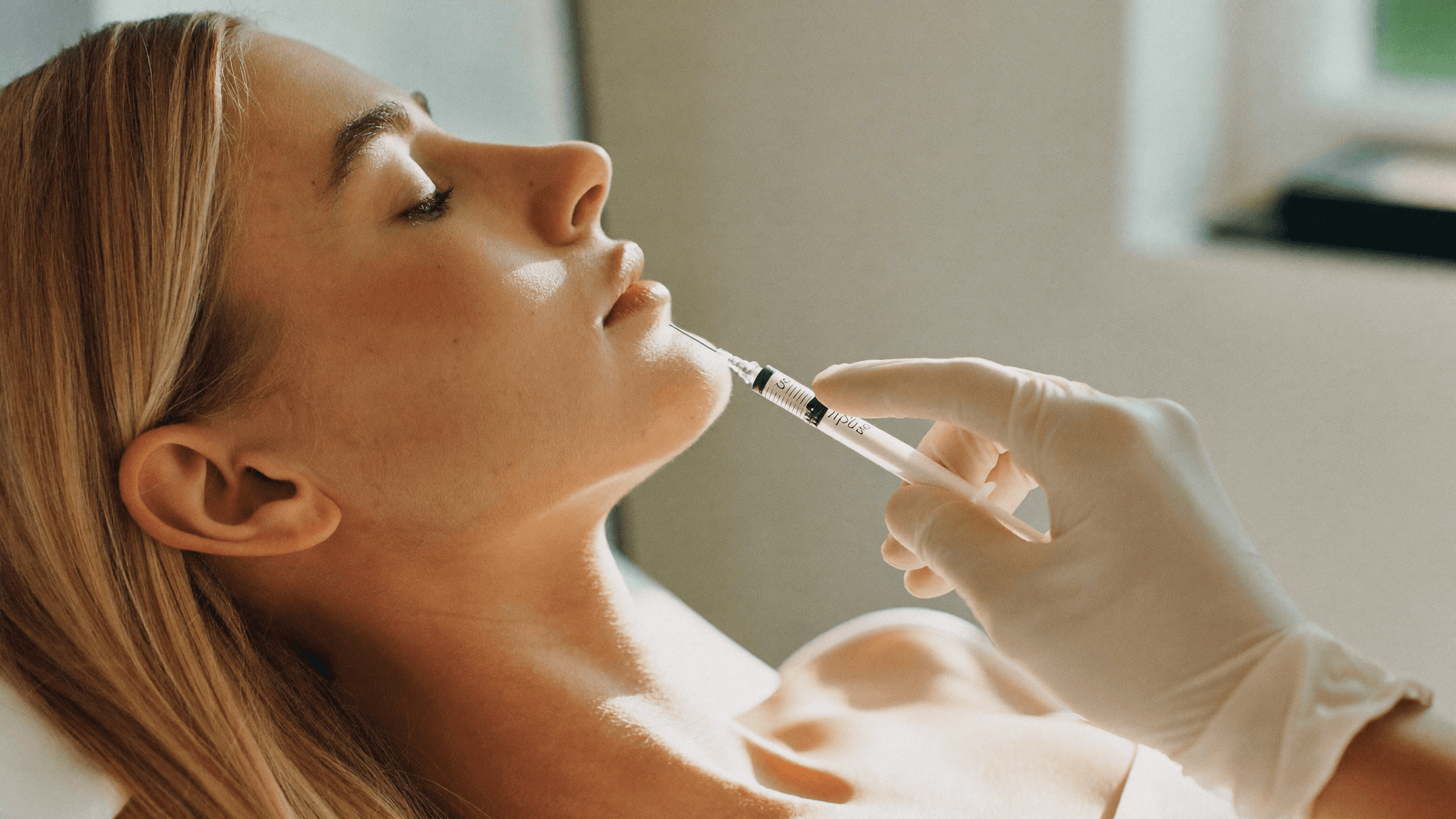
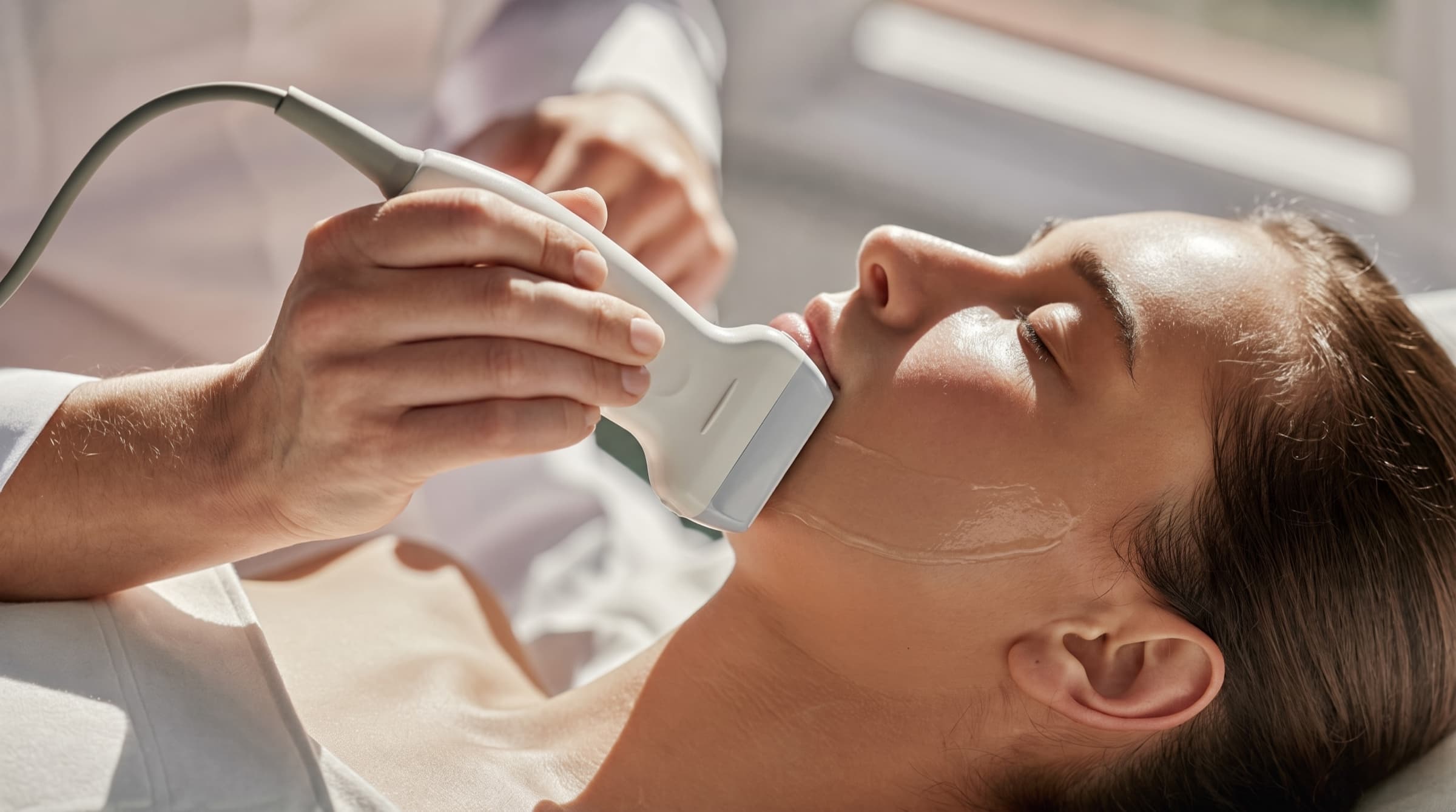
When a patient sits down for a first consultation, the first tool I reach for is not a syringe. It is a small ultrasound probe and a tube of clear gel. We map the face before we discuss anything. This sounds like a small change. It is not.
What the scan shows
Three things, mainly. First, vasculature: the arteries and veins that move through the face are variable from person to person. Anatomy charts describe a population, not the individual in front of you. Second, tissue planes: where muscle ends and fat begins, how thick each layer is, where the skin sits over bone. Third, any product that is already there. Old filler is often invisible to the eye and still present in tissue. It can be migrated, partially metabolized, or sitting in a place that no longer serves the face.
Why this changes the visit
Once we look together, the conversation shifts. A patient who came in asking for more cheek filler may discover their cheek is fully volumized already and the issue is migrated mid-face product casting shadow. A patient who wants under-eye filler may have a fat pad that needs a different approach entirely. The goal is the same, the route is different, and the plan is honest because we are both looking at the same picture.
“It is the difference between treating a face and treating a chart of a face.”
When it matters most
There are three moments where ultrasound is non-negotiable. Dissolving, where you have to find the product to remove it without damaging healthy tissue. Vascular complications, where minutes matter and you need to identify the affected vessel. And masseter injection, where the depth and plane have to be right to get the result we want without affecting muscles we do not want to touch.
It is becoming the standard
Ultrasound has been quietly entering aesthetic medicine for years. Academic centers have used it for a while. The reason it is not in every clinic yet is that it adds time, requires training, and changes the operator's confidence model from feel-based to evidence-based. It will become the standard. I would rather be there now.
If you have had filler before, especially over years, an ultrasound mapping appointment is a good place to start, even if you are not planning a treatment. You will leave knowing what is there.